Water Damage Restoration Oak Park, CA
A leak that has stopped is not finished: the water already in carpet pad, baseboards and wall bottoms keeps wicking upward. Technicians remove it, chart where it went and dry the framing to IICRC S500, day or night.
(888) 578-6508Stop the water before it reaches more rooms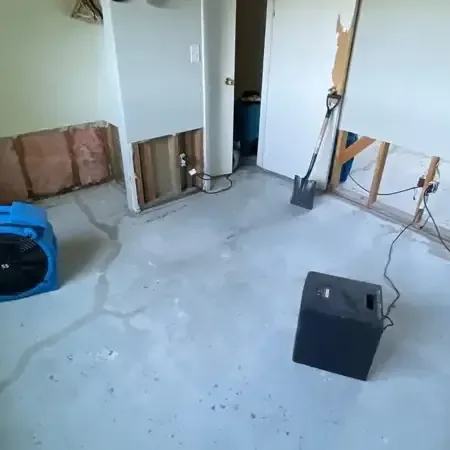
How water gets into homes in Oak Park
This unincorporated community at the southern base of Simi Peak is fully built out with single-family homes, townhomes and apartments, the first finished in 1967. Shared walls and stacked floors let one leak reach a neighbor.
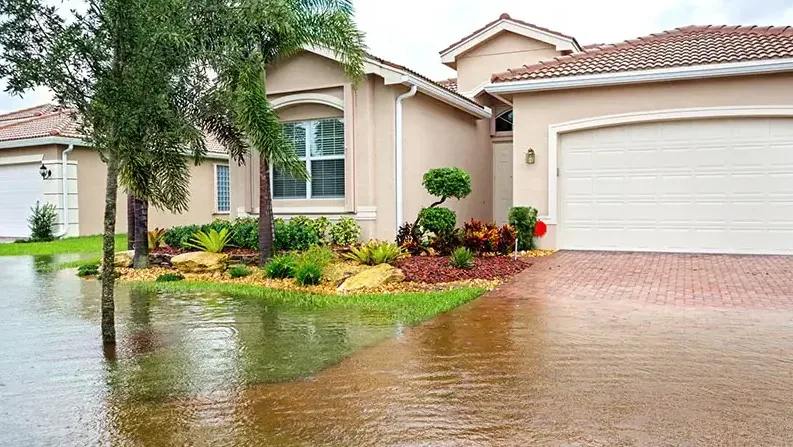
Two-story homes and stacked units
The third building phase brought the first two-story homes, and townhomes and apartments followed. A bath, toilet or supply leak upstairs runs into the ceiling below, often before any stain shows on the drywall.
Shared walls in townhomes and apartments
Where units share floors and walls, a washer hose, dishwasher line or water heater failure in one home can wet the next one, so both sides get readings before anyone calls it dry.
Homes built from 1967 onward
Building went up in phases starting on and around Kanan Road, so supply lines, valves and water heaters differ in age from street to street; each loss starts with finding the real source.
Creeks and heavy winter rain
Medea Creek and Lindero Creek, both tributaries of Malibu Creek, are the largest of the small creeks here. In a heavy storm, runoff that crosses yards and patios is treated as Category 3 water.
Sewer backups through the lowest drain
Triunfo Water & Sanitation District handles sewage collection and treatment. A blockage pushes Category 3 water up through the lowest toilet or tub, and that water is treated as contaminated from the start.
December 2023 storm
On December 20 to 21, 2023 a heavy storm flooded multiple homes in Ventura County, with Port Hueneme among the places named; it was a regional event.
Water Damage Restoration Services in Oak Park, CA
One set of twelve water and sewage services covers every kind of indoor loss, each one carried out under the S500 protocol and written up for the adjuster.
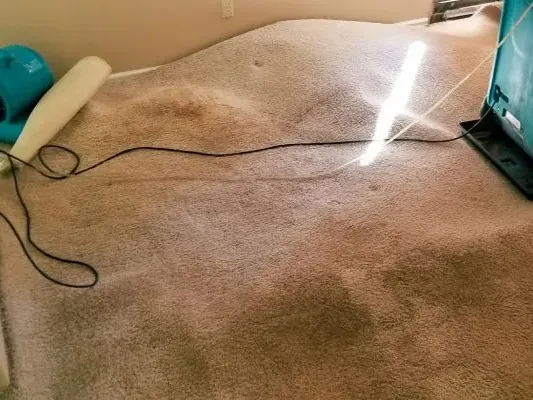
Water Extraction and Removal
Pulling standing water out of carpet, tile and subfloor with truck-mounted and portable units, so far less of it ever soaks into pad or drywall.
Water removal, start to finish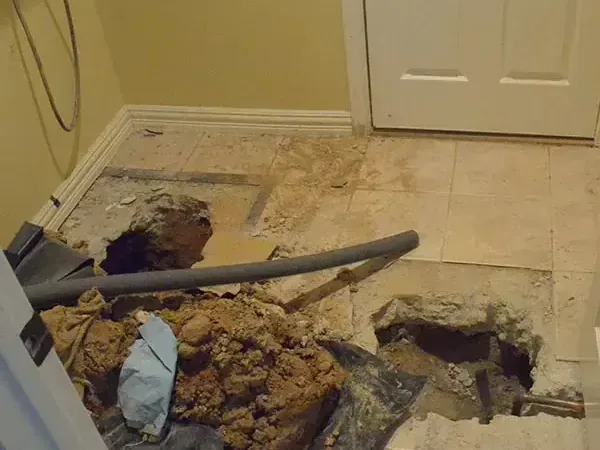
Slab Leak Water Damage
After a plumber isolates the pipe under the concrete, wet flooring is lifted and the slab edge, baseboards and wall bottoms are dried.
Drying out a slab leak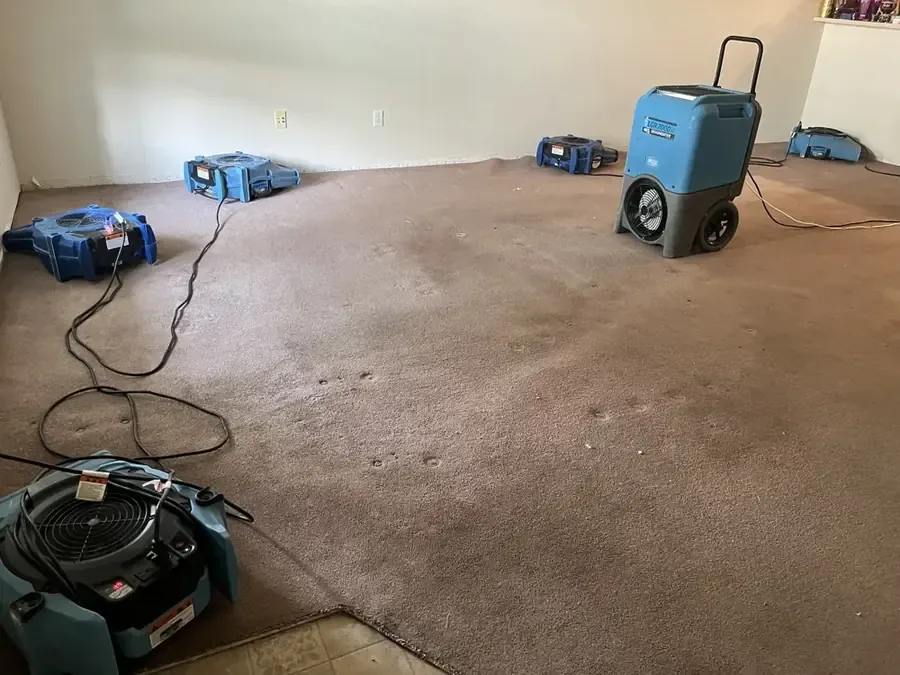
Burst Pipe Water Damage
A split supply line inside a wall or ceiling is shut down, the water is pulled, and openings are cut only where the meters say.
After a supply line splits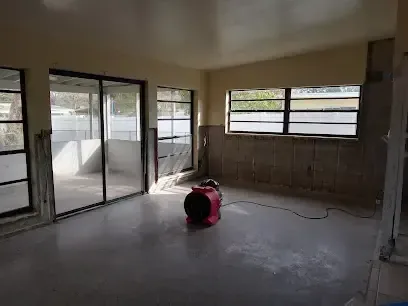
Storm and Flood Water Cleanup
Runoff that came across a yard or patio counts as Category 3, so silt and soaked porous material come out before any drying.
Storm runoff cleanup steps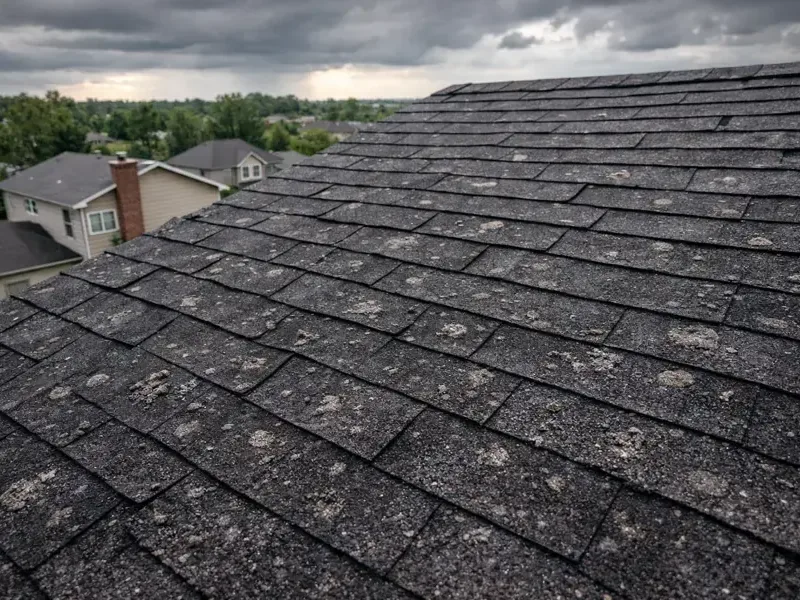
Roof Leak Water Damage
Rain that slipped past the roof covering is followed from the attic downward; soaked insulation is bagged and ceilings dried.
Attic and roof leak drying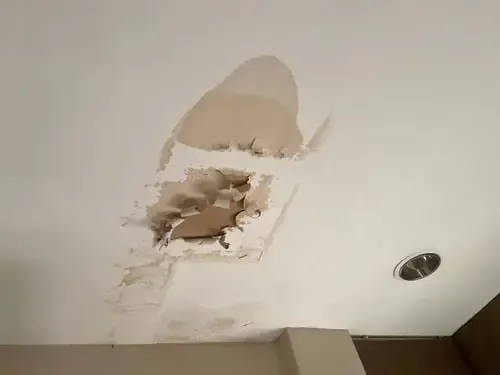
Ceiling Leak Water Damage
A two-story home can hide an upstairs bath leak above the kitchen; the ceiling is opened with care and the joist bays dried.
Opening a wet ceiling safely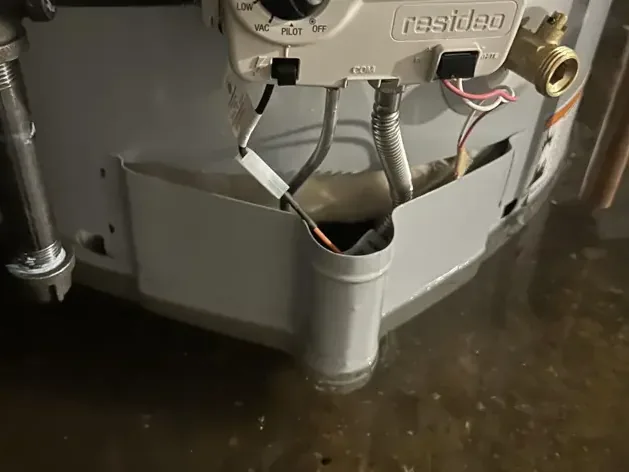
Water Heater Leak Cleanup
When a tank lets go, the water is removed before it climbs into drywall, cabinet bases and anything stored on the floor.
When the garage tank lets go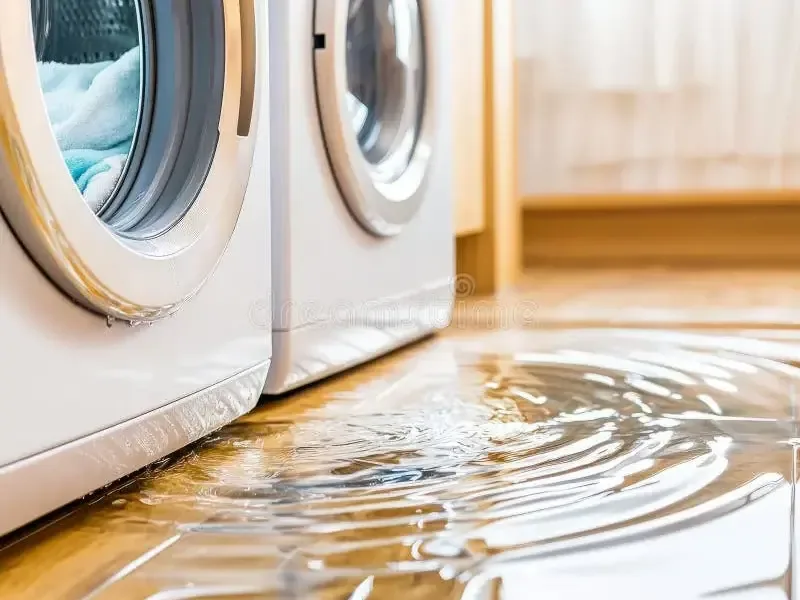
Appliance and Supply Line Leaks
Failed washer hoses, dishwasher fittings and refrigerator ice maker tubes are tracked down and dried out of cabinets and subfloor.
Hose and supply line leaks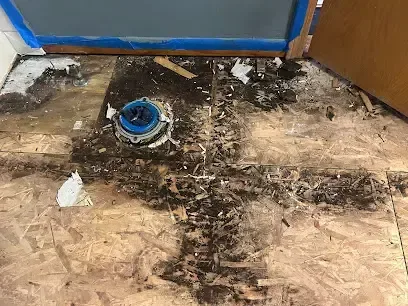
Sewage Backup Cleanup
A backup through a toilet, tub or cleanout is handled as black water: protective gear, removal of soaked material, then disinfectant.
Category 3 backup cleanup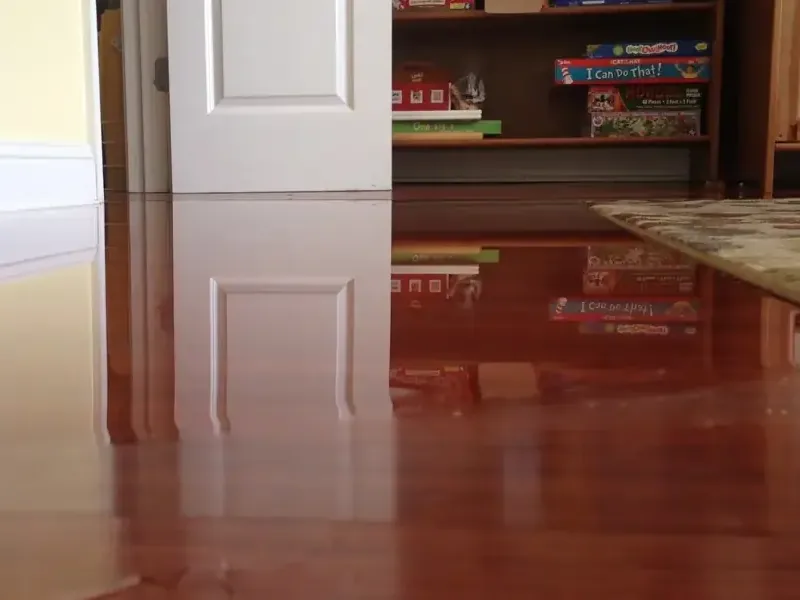
Hardwood and Laminate Floor Drying
Cupping boards and swollen laminate are treated with suction drying mats and dehumidifiers, or lifted when the numbers say so.
Saving cupped wood floors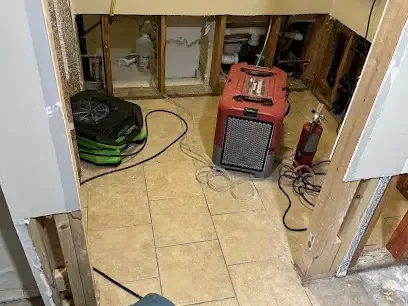
Structural Drying and Dehumidification
Fans and low grain refrigerant dehumidifiers keep running until studs, drywall and subfloor match a reading taken in a dry room.
How dry gets measured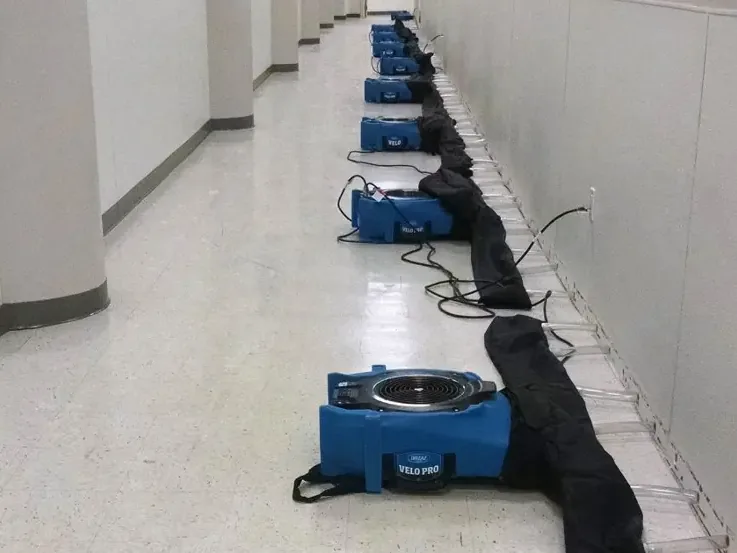
Commercial Water Damage
Shopping centers, offices and school buildings get drying zones sealed off so the rest of the building can keep operating.
Phased drying for businessesWhat to do in the first hour after water gets inside
- 1
Close the main shutoff
Learn where the main valve is before there is trouble. Turning it off keeps a failed fitting or split hose from adding more water to the floors.
- 2
Stay away from wet electrical
Do not walk through water near outlets or power strips, and leave the breaker panel alone if water reached the wall or floor beneath it.
- 3
Save belongings and document
Get rugs, laptops and cardboard boxes up off the floor, then take wide and close photos of each room before anything gets torn out.
- 4
Warn the neighbor below or beside
In a townhome or apartment, tell the household next door or downstairs so they can check their ceiling and walls right away.
- 5
Phone dispatch with the details
Say what failed, which rooms are wet and whether the water looks clean, soapy or like sewage, so the truck carries the right equipment.
Dispatch covers both sides of Kanan Road at any hour
The first homes north of Mae Boyer Park, the two-story homes of the later phases and the townhomes and apartments are covered every day of the year.
Calls from the shopping centers at Kanan Road and Lindero Canyon Road and the original center at Sunnycrest go out the same way, with extractors and meters.
(888) 578-6508Send a crew to the Kanan Road addressFour stages from the phone call to a dry home
The sequence never changes: stop the water, measure where it went, pull out what is standing, run the drying plan and confirm against a dry baseline before rebuilding.
Inspect and chart
The technician confirms the source, then uses pin meters and an infrared camera to trace how far the water traveled beneath flooring and inside walls.
Remove standing water
Truck-mounted and portable units draw water out of carpet, pad, tile and subfloor, which shortens every day of drying that follows.
Run the drying plan
Fans and dehumidifiers are sized to the class of loss, with directed airflow into wall cavities and desiccant units for dense floors.
Confirm and report
Readings are recorded daily until materials sit within 2 to 4 points of the dry baseline, and the report goes to the owner and the insurer.
Coverage across Oak Park and nearby communities
Neighborhoods and corridors
Nearby communities
Inside a home during water removal and structural drying
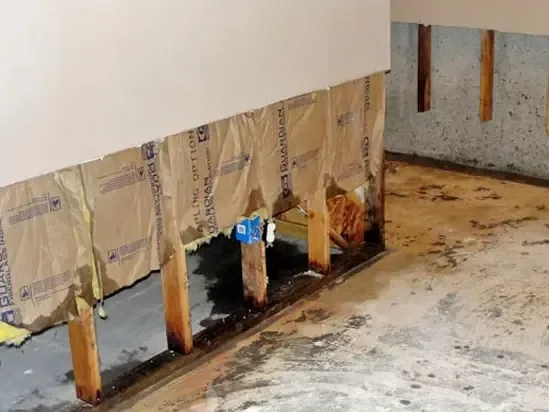
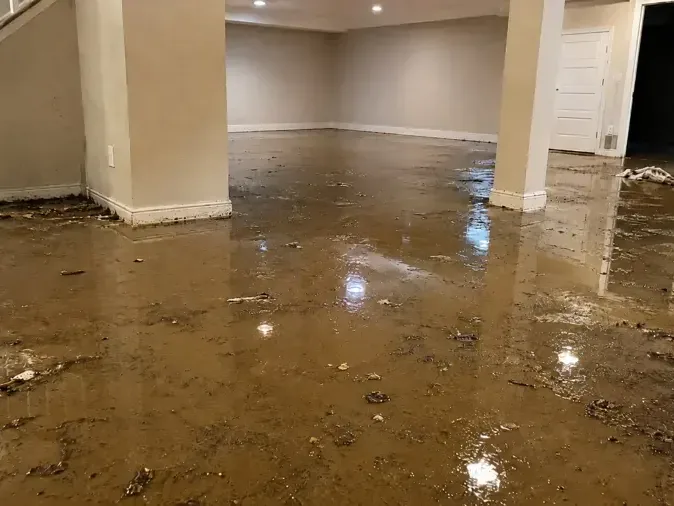
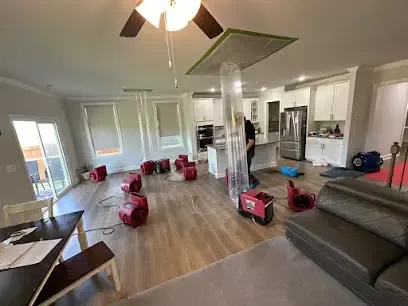
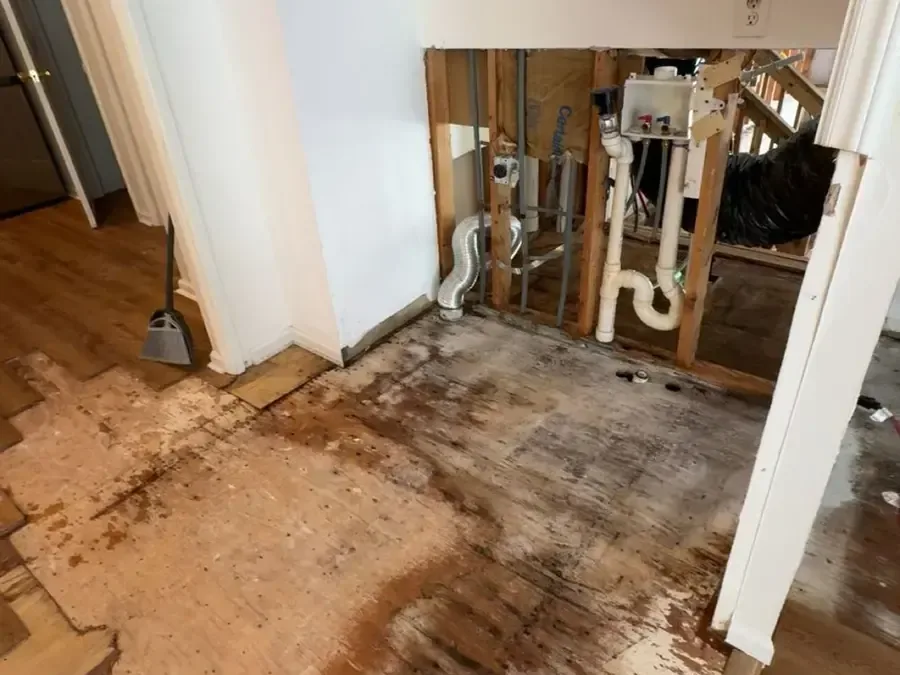
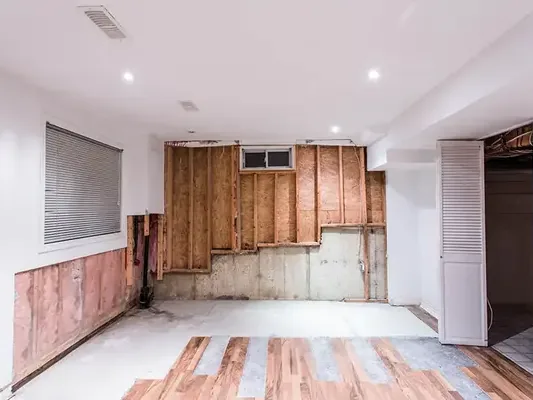
A room can look dry days before it actually is
Dispatch that never closes
Active leaks get urgent handling at any hour, weekends and holidays included, from the original homes near Mae Boyer Park to the west side of Kanan Road.
Work held to IICRC S500
The industry protocol ties water category and class of loss to the equipment plan, and daily numbers decide when it comes out.
A file the adjuster can follow
A day one moisture chart, daily humidity and material logs, and dated photos shot before any cutting give the insurer a clean record.
Know-how for a built-out community
Homes, townhomes and apartments built from 1967 onward share walls and ceilings, so water often reaches more than one room.
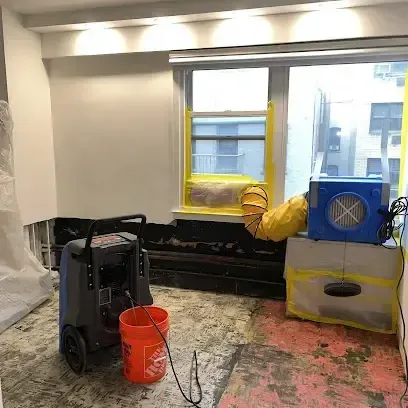
Fans and dehumidifiers stay put until the numbers agree. Each day the technician compares wet walls and floors to a matching material in an unaffected room.
Supply water, soapy water and sewage are three different jobs
What does water damage restoration cost in Oak Park, CA?
Most jobs here land between $1,200 and $25,000 or more. Four things drive the total: the category of water, how many square feet got wet, which materials soaked through and how quickly drying began.
Contained clean-water leak
- A single room or hallway
- Category 1 water from a supply pipe
- Water removal and a short drying run
Several rooms or a leak under the floor
- Floor coverings up, wall bottoms open
- Supply or soapy water
- Refrigerant or desiccant drying
Runoff or sewer water
- Black water protocol
- Soaked porous material discarded
- Sealed work area and disinfectant
These figures are typical ranges, not a bid. The real scope is set by the walkthrough and the moisture chart; the cost calculator gives a first estimate.
Records an adjuster looks for
Insurers rely on documentation to decide a claim. The technicians assemble the record while the work is under way, so nothing has to be recreated afterward.
- A moisture chart drawn on the first visit
- Daily humidity and material moisture logs
- Dated photos taken before any cutting
- The category of water and the class of loss
- An itemized list of what was removed and why
Read your own policy
Homeowner policies often separate a sudden pipe failure from rising outdoor water and from a slow drip that ran for months; flood protection comes from its own policy.
Townhome and apartment owners may also have an association or landlord policy involved. The restoration team documents the loss; the insurers decide coverage.
Oak Park water damage questions, answered
How quickly can a technician get started?
Dispatch stays open around the clock and treats active water as urgent at any hour. Arrival depends on the address and the trucks already on jobs, so the dispatcher gives a time during the call rather than a promise in advance.
What matters most in the first hour?
Close the main shutoff, stay away from wet outlets and the breaker panel, get belongings off the floor and photograph each room before anything is removed. Then phone dispatch so water removal can begin.
What causes most water damage in local homes?
Upstairs bath and supply leaks in two-story homes, washer hoses and dishwasher lines, water heater failures, leaks that cross shared walls in townhomes and apartments, storm runoff and sewer backups through the lowest drain.
How many days does drying take?
A small clean-water leak handled early finishes fastest. Concrete, wood flooring and walls soaked high take longer. Fans and dehumidifiers stay until readings fall within 2 to 4 points of the dry baseline, however dry the room feels.
What does IICRC S500 mean?
It is the published protocol for professional water damage work. It explains how to classify the water and the loss, where drying equipment belongs and how to prove a structure is dry using measurements.
Does wet drywall always get cut out?
No. Wall board soaked by sewage or outdoor runoff is removed. Board wet from a clean supply leak can often stay and dry if work starts promptly; the meter readings decide, and any cut is made above the waterline.
Why does a sewer backup need different handling?
Sewer water is Category 3 and carries bacteria. Technicians wear protective gear, discard porous material it soaked, scrub hard surfaces and leave an EPA-registered antimicrobial on for its full label time before drying starts.
Who pays when a leak crosses into a neighbor's unit?
That depends on the policies involved: each owner's homeowner policy and any association or landlord policy. The claim file records where the water started and every room it reached on both sides.
How is the price worked out?
The total follows the category of water, the wet square footage, the materials involved and how fast drying began. The walkthrough and moisture chart set the scope, and the cost calculator offers a typical range beforehand.
Is storm runoff treated as a flood claim?
Outdoor surface water that flows inside is generally classed as flood by insurers, while rain coming through a storm-damaged roof is often handled another way. The record notes exactly where the water entered. See storm and flood water cleanup.
Water creeping under a floor or through a ceiling? Technicians are ready
Each hour that water sits, it goes deeper. A single call gets removal, moisture charting and the claim record started.
(888) 578-6508Start the dry-out for this home