Water Damage Restoration Oxnard, CA
Water from a broken pipe or a storm keeps moving through subfloors and wall bottoms after the source is shut off. The drying team extracts it, charts the moisture and dries the structure to IICRC S500, day or night.
(888) 578-6508Stop water before it drops to the floor below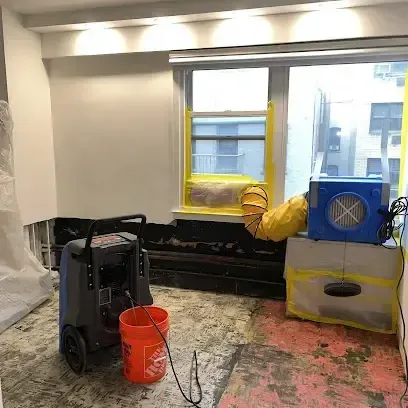
How water gets into buildings in Oxnard
The city sits on the Oxnard Plain, ringed by farmland, the Pacific Ocean and the Santa Clara River, and most buildings are one or two stories. Winters are mild and relatively wet, summers warm and dry.
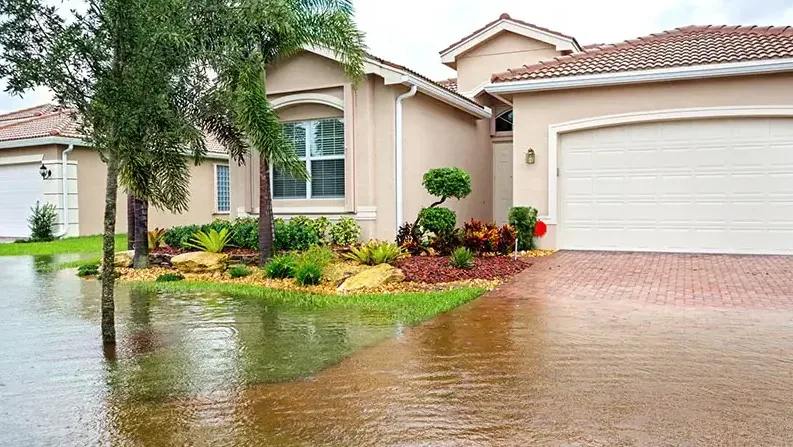
Dry summers, wet winters
A small roof defect can go unnoticed through the warm, dry months and surface as a stained ceiling once the first long winter rain arrives.
Two stories, one leak path
Most buildings are one or two stories, so water from an upstairs bathroom, a washer or the roof can drop through a ceiling into the room below.
Houses of many ages
The historic district's 142 houses went up mostly between 1906 and 1925, and the city kept growing outward in the mid twentieth century, so every loss gets its own inspection.
Harbor, industry and shops
Channel Islands Harbor, manufacturers, shopping centers and an Amazon fulfillment center mean commercial losses involve large floors, stored goods and several tenants.
Mild coast, few freeze breaks
Onshore breezes keep the city warmer in winter than inland communities, and the airport's all-time low, in records that begin in 1923, is 26 degrees, so a burst pipe is more often wear than frost.
December 2023 storm
CBS Los Angeles reported on December 21, 2023 that neighbors in Oxnard saw flooding as a powerful winter storm swept through Southern California.
Twelve kinds of water loss, one drying plan
From a failed washer hose to a flooded shop floor, the drying team matches the equipment and the steps to the kind of water loss.
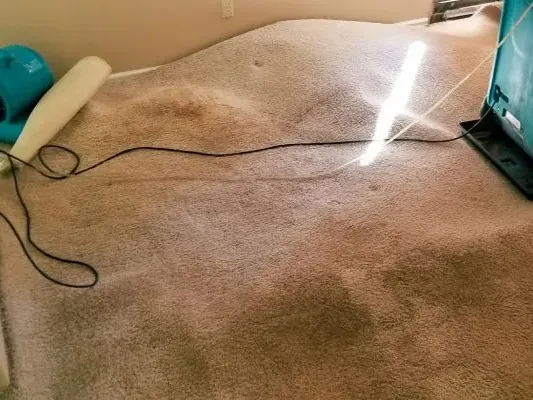
Water Extraction and Removal
Pumps and truck-mounted units pull standing water from carpet, pad, tile and concrete so drying can start on a clear floor.
Water removal, start to finish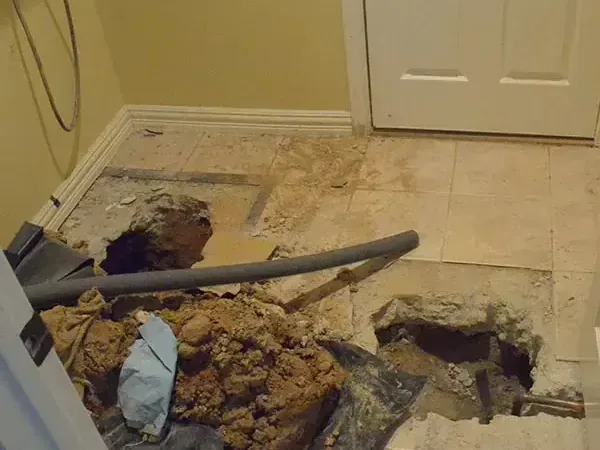
Slab Leak Water Damage
Water from a pipe leaking beneath a concrete floor is traced with meters, then wet flooring comes up and the slab is dried.
Drying out a slab leak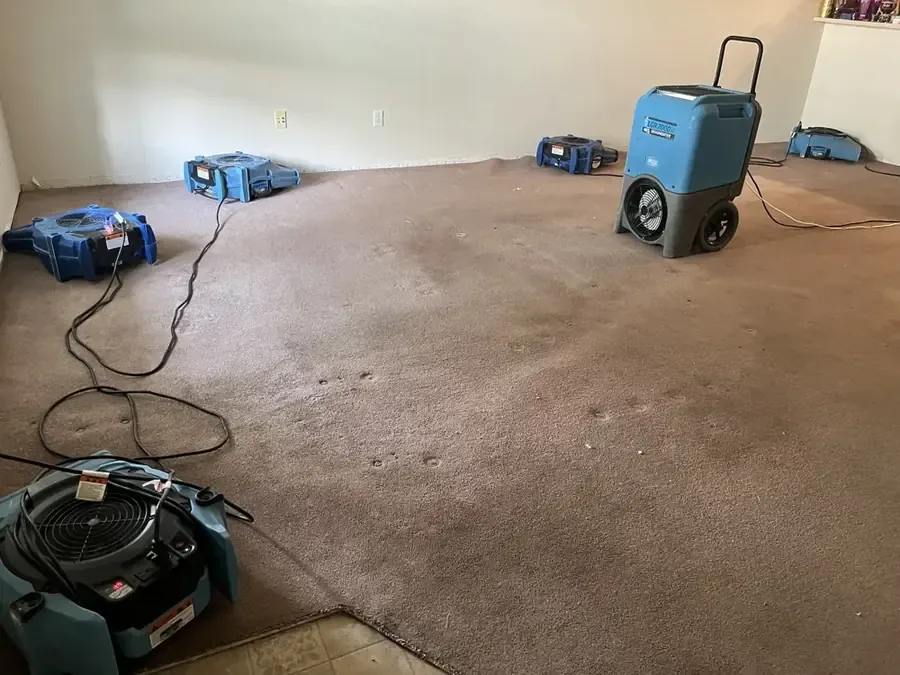
Burst Pipe Water Damage
A split supply pipe can soak a wall, a ceiling and the room below, so the team stops the spread and dries each layer.
After a supply line splits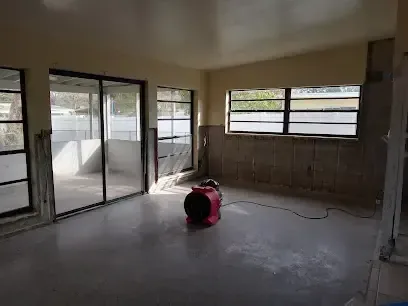
Storm and Flood Water Cleanup
Storm water that enters a garage or ground floor is treated as contaminated, so wet materials are removed and the space is dried.
Storm runoff cleanup steps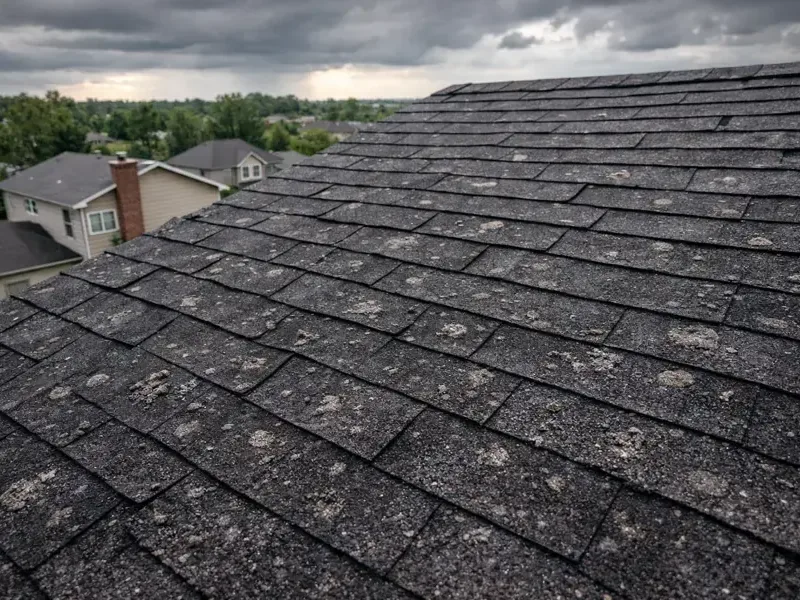
Roof Leak Water Damage
Winter rain that finds a weak point in the roof wets insulation and drywall, which are opened up and dried in place.
Attic and roof leak drying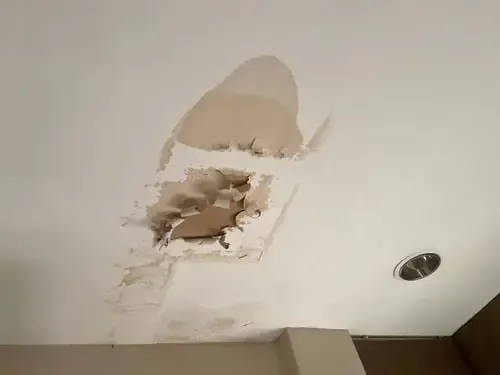
Ceiling Leak Water Damage
A stained or sagging ceiling means water is trapped above it, so the area is opened and the cavity is dried out.
Opening a wet ceiling safely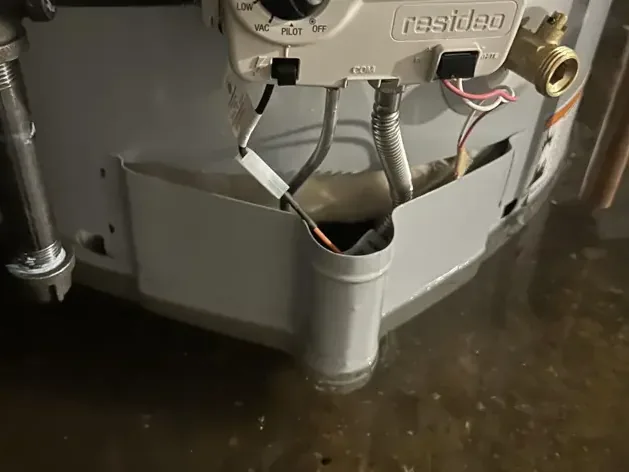
Water Heater Leak Cleanup
A leaking tank can flood a closet, garage or hallway, and the cleanup dries everything the water touched.
When the garage tank lets go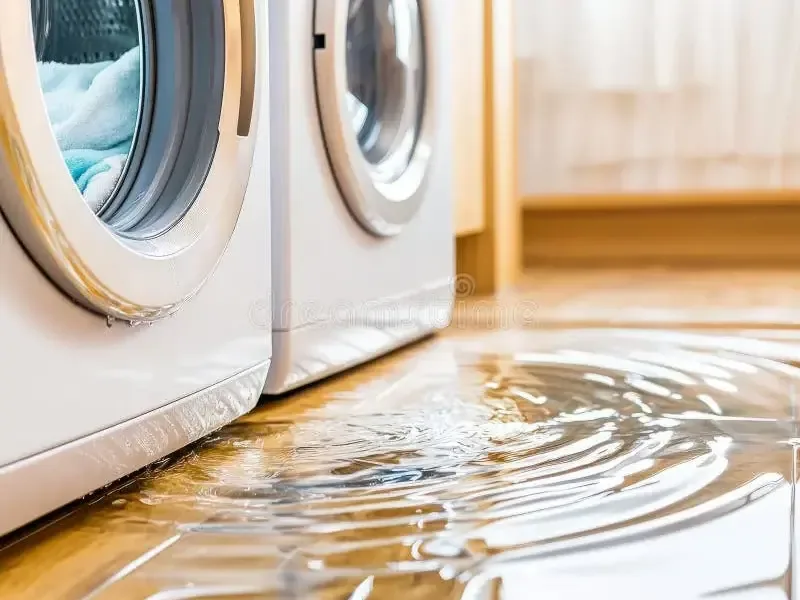
Appliance and Supply Line Leaks
Washer, dishwasher and refrigerator hoses fail without warning, and the water often runs under cabinets into the next room.
Hose and supply line leaks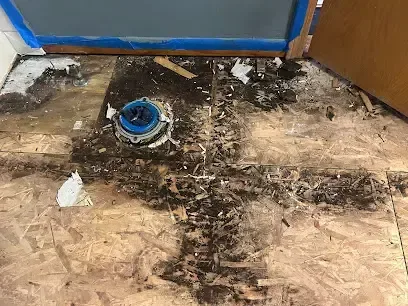
Sewage Backup Cleanup
Contaminated backup water is removed with protective gear, porous materials are cut out and the area is cleaned and dried.
Category 3 backup cleanup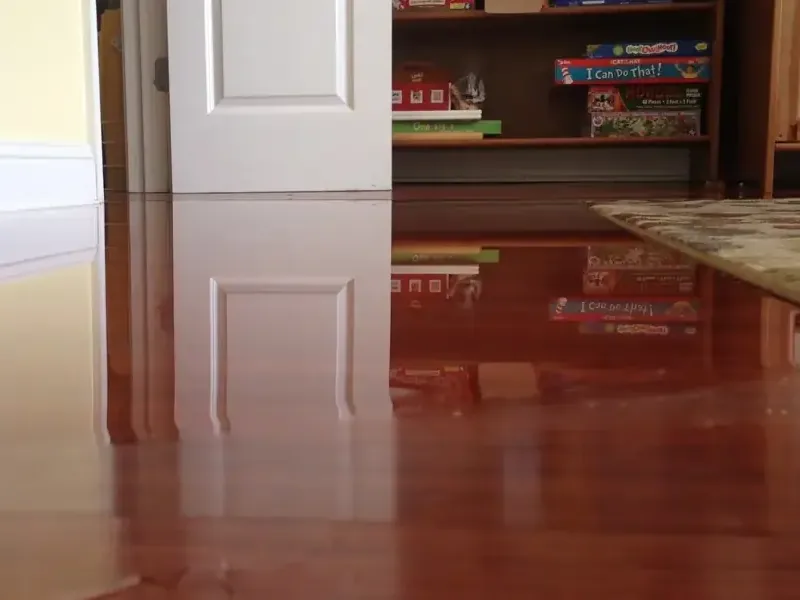
Hardwood and Laminate Floor Drying
Wood and laminate cup and buckle when wet, so drying mats pull moisture out before any boards have to come up.
Saving cupped wood floors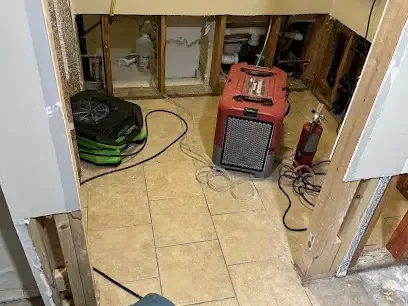
Structural Drying and Dehumidification
Air movers and dehumidifiers dry subfloors, framing and wall cavities until the readings match a dry reference.
How dry gets measured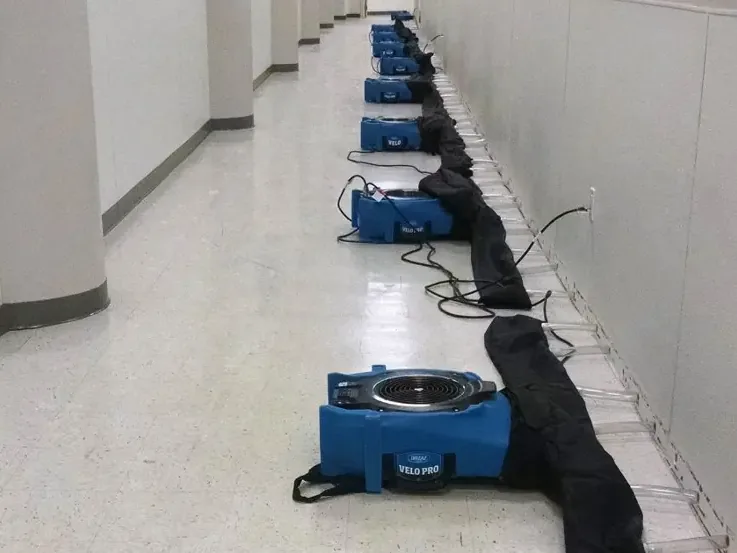
Commercial Water Damage
Offices, shops and warehouses get a loss plan built around the building, its tenants and the business.
Phased drying for businessesWhat to do while help is on the way
- 1
Shut off the water
Close the main valve or the fixture valve if it is safe to reach. Stopping the source keeps one leak from spreading across a whole floor.
- 2
Keep clear of power
Stay away from wet outlets and the breaker panel. Water and electricity in one room is a hazard that calls for a professional.
- 3
Move what you can
Lift small furniture, rugs and electronics off the wet floor, and put blocks or foil under the legs of heavy pieces.
- 4
Photograph everything
Take dated photos of the water, the damage and the belongings before anything is thrown out, since adjusters rely on them.
- 5
Call and describe the water
Say where it started, how far it spread and what the floor is made of, so the right equipment is on the truck.
Crews work the whole city from the harbor to Highway 101
Downtown, the historic district, La Colonia and the residential streets along Highway 101 are covered every day of the year, holidays included.
Jobs in the beach neighborhoods, around Channel Islands Harbor and in River Ridge get the same equipment: pumps, extractors, moisture meters and drying units.
(888) 578-6508Send extraction to a downtown or harbor addressFour stages between wet and dry
The sequence does not change: locate the source, read the wet materials, remove standing water, set equipment to the class of loss and confirm dryness before rebuilding.
Inspect and map
The technician finds the source and uses meters and an infrared camera to see where water traveled under floors and inside walls.
Remove standing water
Pumps and extraction wands clear carpet, pad and hard floors first, because water left behind slows everything that follows.
Run the drying plan
Air movers and dehumidifiers are sized to the class of loss, with directed airflow for wall cavities and desiccant units for dense materials.
Confirm and report
Daily readings continue until wet materials match the dry reference, and the final report goes to the owner and, when needed, the adjuster.
Coverage across Oxnard, from downtown to the harbor
Neighborhoods and corridors
Nearby communities
What a water damage dry-out looks like
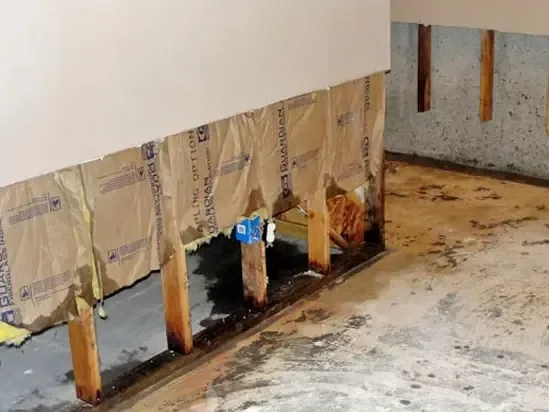
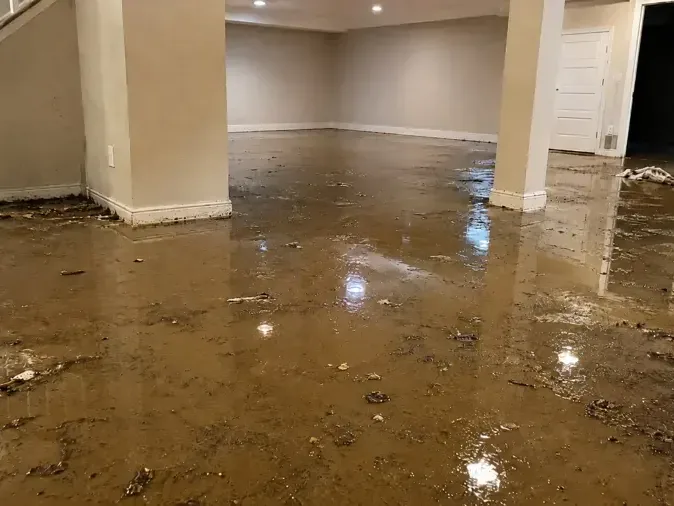
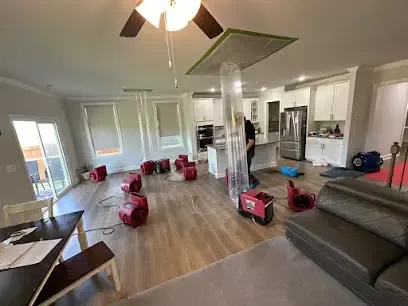
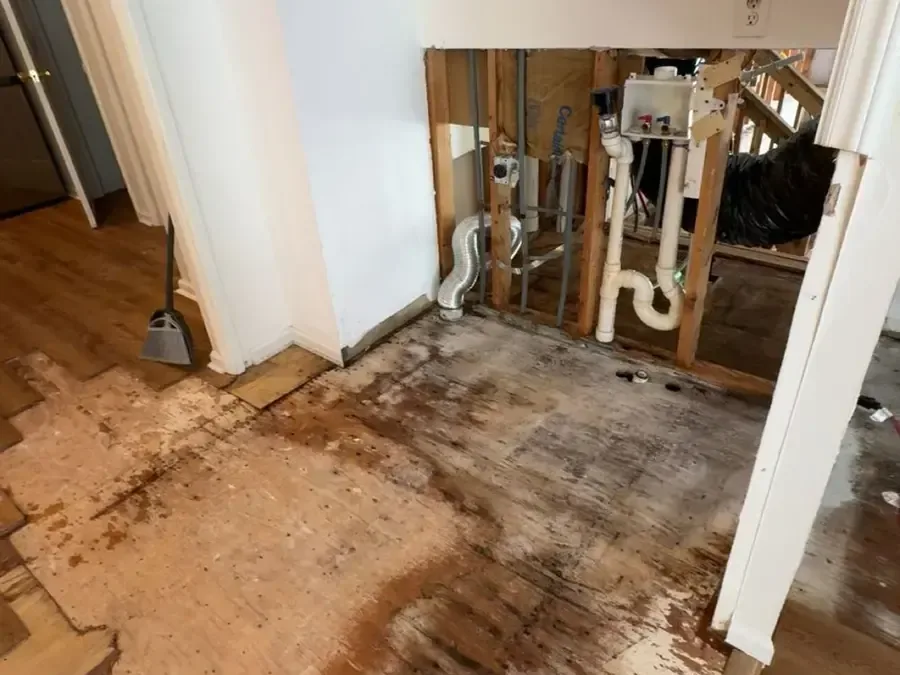
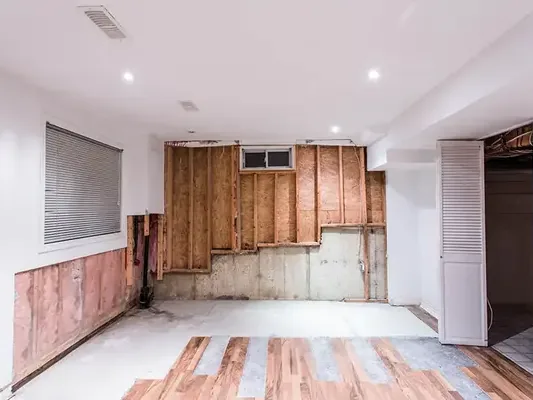
Readings decide when the equipment leaves
Around-the-clock dispatch
Requests about running water go out at any hour, holidays included, to homes and businesses across the city.
IICRC S500 standard
Equipment is chosen by water category and loss class, then adjusted each day as the readings change.
Claim-ready records
Day-one moisture maps, daily logs and dated photographs go into a file the adjuster can follow.
Mixed building knowledge
Houses from the 1906 to 1925 historic district, newer one and two story homes and commercial buildings each dry differently.
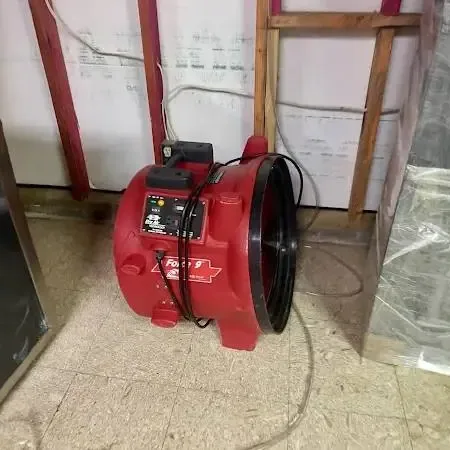
A floor can feel dry while the subfloor underneath is still wet. Daily readings from the affected rooms and an untouched reference room show when drying is finished.
Three water categories, three different cleanups
What does water damage restoration cost in Oxnard, CA?
Most jobs here run from $1,200 to $25,000 or more. The water category, the wet square footage, the materials involved and how soon drying starts decide where a job lands.
Single-room supply leak
- One room or a closet
- Category 1 water
- Removal plus a few days of drying
Several rooms or a second floor affected
- Walls and ceiling opened
- Wet flooring lifted
- Longer drying with more equipment
Large or contaminated loss
- A whole floor wet
- Category 3 water
- Extended monitoring
These ranges are typical, not a quote. The walkthrough and the moisture map set the real scope, and the water damage cost calculator gives a closer first figure.
What an adjuster expects to see
Coverage decisions rest on documentation, so the drying team records the loss as the work happens instead of rebuilding the story afterward.
- A moisture map made on the first visit
- Daily humidity and material moisture readings
- Dated photographs taken before any cutting
- The water category and the class of loss
- An itemized list of what was removed and why
Check what your policy says
Many homeowner policies treat a sudden pipe or appliance failure differently from outside flood water and from slow leaks that ran for months. Flood coverage is usually its own policy.
Read the declarations page or ask the agent what applies. The restoration team documents the loss, and the insurer decides what is covered.
Oxnard water damage questions, answered
What should I do first when water is running indoors?
Shut off the main valve or the fixture valve if it is safe, stay away from outlets and the breaker panel, and photograph the damage before moving anything. Then call so extraction can start.
Does a two story house change the job?
Yes. Water from an upstairs bathroom or washer often travels through the ceiling below, so the drying team checks both floors, opens the ceiling when needed and dries the cavities between them.
What does water damage restoration involve?
The crew finds the source, extracts standing water, removes materials that cannot be saved, sets air movers and dehumidifiers, and logs readings until the structure matches a dry reference.
How long does drying take?
Most jobs need several days, depending on the materials, the class of loss and the weather. Daily readings, not a calendar, decide when the equipment can leave.
Is a sewage backup handled differently?
Yes. Sewage and storm water are contaminated, so crews wear protective gear, remove porous materials such as carpet and drywall, then clean and dry the area. Keep the affected fixtures off until a plumber clears the drain.
Do the same crews handle businesses?
Local restoration pros work on offices, shops and warehouses as well as houses. Commercial jobs add larger floors, shared walls and records for the property owner and the insurer.
Will insurance cover the damage?
Many policies cover sudden and accidental water, such as a burst pipe, but treat flood water and slow leaks differently. The drying team documents the loss and the insurer decides coverage.
Can water damage lead to mold?
Materials that stay wet for 24 to 48 hours can start growing mold, which is why extraction and drying begin early and continue until the readings are normal.
Does a roof or ceiling leak need a different plan?
A leak from above wets insulation and drywall first. The ceiling is opened where needed, the cavity is dried and a roofer or plumber fixes the source separately; see the roof leak work.
Can a business stay open during drying?
Often, yes. Containment sheeting and zoned equipment let the crew dry one area while the rest of the building keeps operating, though noise and airflow need planning with the property manager.
Water inside the building? Start the dry-out now
Dispatch stays open all night and on holidays. Describe the water, and the crew builds the plan from there.
(888) 578-6508Talk to a drying crew now