Water Extraction and Removal in Oxnard, CA
Standing water in carpet, pad and tile does not wait. The extraction crew pulls it out with pumps and truck-mounted units, then moves straight into drying so the subfloor and walls do not stay wet.
(888) 578-6508Get the water out before the pad soaks through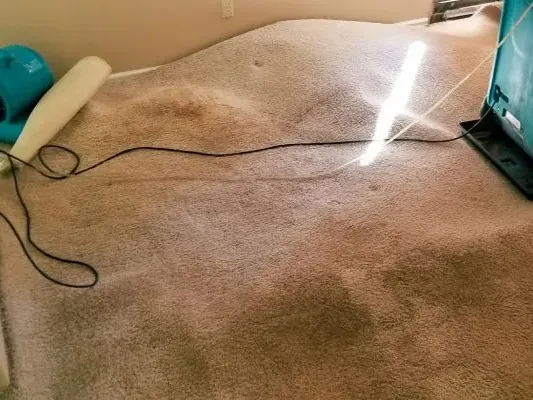
The 2020 census counted 202,063 people in Oxnard, most of them living and working in one and two story buildings. Extraction jobs here run from a single wet room to a full floor, and the first hours decide how much of the structure stays wet.
How water extraction and removal is handled, step by step
Find the water
Meters show how far it traveled.
Pull it out
Pumps and truck-mounted units clear the floor.
Remove what cannot dry
Soaked pad and damaged baseboards come out.
Start drying
Air movers and dehumidifiers run until readings match.
Where standing water goes first
Water seeks the lowest point and the softest material, and it travels farther than most people expect. These are the places the crew checks first.
- Carpet and pad, which hold water like a sponge
- Baseboards and the bottom of the drywall
- Cabinet toe kicks and the floor under them
- Garage slabs and tile floors where water pools
Moisture meters and an infrared camera show what the eye misses. The structural drying plan starts once the pooled water is gone.
Water on the floor now? The extraction crew is a call away, day or night.
(888) 578-6508Start water removal at onceEquipment used for removal
The equipment depends on the water category, the floor covering, the amount of water and how deep it has soaked.
- Truck-mounted extractors for large volumes
- Portable pumps and wands for pad and tile
- Submersible pumps when the water is deep
Pad that has soaked through is usually removed, and the water damage cost calculator gives a range for the size of the wet area.
After the water is out
Extraction is the first half of the job. Once the pumps are off, air movers and dehumidifiers take over, and daily readings show when walls, subfloors and framing are dry. For sewage or storm water, the sewage backup cleanup process adds protective gear and removal of porous materials, and the insurer receives the moisture log along with a written list of what was removed.
What does water extraction and removal cost in Oxnard, CA?
Water extraction here typically costs $1,200 to $18,000, depending on the water category, how many rooms are wet and how long the water sat. Clean water caught early stays near the low end.
One room, clean water
- Standing water pulled
- Carpet pad lifted
- Fans and a dehumidifier
Several rooms
- Baseboards removed
- Wet drywall cut
- A longer drying run
Whole floor or Category 3
- Contaminated materials removed
- Protective gear and cleaning
- Extended monitoring
What moves the number
Ranges are typical, not a quote. The category of water, the square footage, the material class and how fast drying started move the number most. Run the water damage cost calculator for a closer range.
First steps for water extraction and removal
Stop the source
Close the main or fixture valve if it is safe to reach, so no new water joins the pool.
Mind the outlets
Stay off wet outlets and cords, and switch off circuits only if the panel is dry.
Lift small items
Move rugs, shoes, books and electronics onto dry surfaces before the pad soaks them through.
Photograph the room
Take dated photos of the water line and damaged contents before anything is carried out.
Water extraction and removal across Oxnard and nearby communities
The extraction crew covers ZIP codes 93030 to 93036, from downtown, Heritage Square and the historic district to La Colonia, River Ridge and the harbor, with trucks able to reach both sides of Highway 101.
The same service nearby: water extraction and removal in Moorpark, Port Hueneme, Ventura.
Related water damage services in Oxnard
Water Extraction and Removal questions in Oxnard, CA
How soon should standing water be removed?
As soon as it is safe. Water soaks into pad, baseboards and drywall quickly, and materials that stay wet for 24 to 48 hours can start growing mold, so extraction and drying begin right away.
Can a household wet vacuum do the job?
A wet vacuum clears a small spill but misses moisture in pad, subfloors and wall bottoms. Meters show whether the structure is still wet after the visible water is gone.
Does the kind of water matter?
Yes. Supply water is the cleanest, appliance water is gray and sewage or storm water is contaminated. The category decides which materials can stay and what protective gear the crew wears.
Will the carpet and pad be saved?
Clean-water carpet caught early can often be dried in place, while the pad is usually replaced. Contaminated water means both the carpet and the pad are removed.
What does extraction cost for one room?
A clean-water room commonly falls between $1,200 and $4,000, including drying equipment. Larger areas, contaminated water and delays move the figure up.
Is extraction the same as drying?
No. Extraction removes standing water, while drying removes moisture held inside materials. Most jobs need both, and structural drying follows right behind the pumps.
Standing water in the building? Get it pumped out.
Every hour water sits, it moves deeper into pad and walls. The crew extracts, maps and dries.
(888) 578-6508Pull the water out today