Water Extraction and Removal in Ventura, CA
Standing water on a floor soaks into padding, baseboards and drywall by the minute. Pumps and extraction units pull it out first so drying equipment works on materials, not puddles.
(888) 578-6508Call about standing water now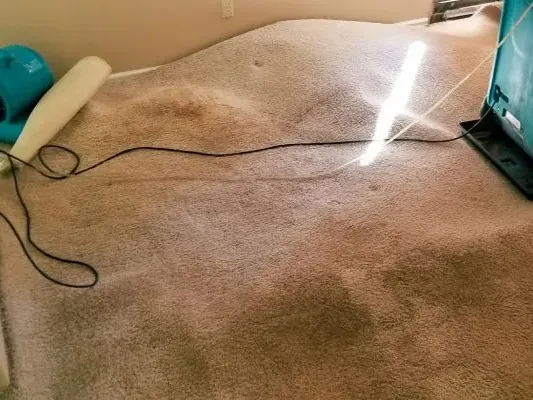
Extraction is the first real step of any wet-floor job. While water sits on carpet, padding or a finished floor, more of it wicks into baseboards, drywall and framing. Ventura's rain comes mostly in winter, with February averaging 3.81 inches, and a plumbing failure can put water on a floor in any month.
How water extraction and removal is handled, step by step
Assess the loss
Meters and a walkthrough show how far the water spread.
Extract
Pumps and vacuums remove the standing water.
Remove
Padding and ruined materials come out.
Dry
Equipment goes in and readings are logged.
What extraction removes
The crew starts with the water that can be taken out directly.
- Standing water pumped from floors and low areas
- Soaked carpet and padding lifted and cut for removal
- Wet vacuums used on corners, thresholds and hard floors
- Water trapped under vinyl or laminate drawn out
Clean water caught early often leaves the carpet itself salvageable, while the padding underneath is usually discarded. Hard floors, thresholds and baseboards are wiped and checked with a meter before the crew moves on.
Water standing in a room right now? Describe it by phone and the crew will explain the next move.
(888) 578-6508Get the pumps startedHow the water is classified
Category decides the method. Clean supply water is treated differently from gray water or anything that touched sewage or storm runoff.
- Category 1: clean supply water, dried in place
- Category 2: washer or dishwasher discharge, extracted and cleaned
- Category 3: storm or sewage water, removed and disinfected
The crew confirms the category before choosing what stays and what goes.
Why extraction comes before drying
Dehumidifiers and air movers can only remove moisture held inside materials, and a pool of water on the surface keeps humidity in the room high. Taking the liquid out first shortens the drying phase, which is covered under structural drying. Each wet room gets its own readings, so a dry living room never hides a wet closet. The wider service is outlined in water extraction and removal.
What does water extraction and removal cost in Ventura, CA?
Cost follows how much water there is, how many rooms it reached and what kind of water it is. The printed ranges run from $1,200 for one room of clean water to $18,000 for a whole floor or Category 3 water.
One room, clean water
- Pump-out and wet vacuum
- Padding removed
- Surface ready for drying
Several rooms
- Larger extraction runs
- More padding and baseboard removal
- Longer equipment stay
Whole floor or Category 3
- Contaminated water handling
- Porous materials removed
- Sanitizing before drying
What moves the number
Ranges are typical, not a quote. The category of water, the square footage, the material class and how fast drying started move the number most. Run the water damage cost calculator for a closer range.
First steps for water extraction and removal
Locate the water
The crew finds the source, stops it if it is still running and maps which rooms are wet.
Remove standing water
Pumps and extraction units pull water from floors, then wet vacuums clear the edges.
Pull wet padding
Soaked padding and unsalvageable materials are cut out and bagged for disposal.
Hand off to drying
Air movers and dehumidifiers go in once the surface water is gone.
Water extraction and removal across Ventura and nearby communities
Extraction crews work homes from Downtown and Midtown through the Westside and Montalvo, out along Main Street and Route 101, and east toward Saticoy, wherever winter rain or a plumbing failure has left water standing indoors.
The same service nearby: water extraction and removal in Moorpark, Oxnard, Port Hueneme.
Related water damage services in Ventura
Water Extraction and Removal questions in Ventura, CA
How soon should standing water be removed?
As early as possible. Water keeps wicking into baseboards and drywall while it sits, and mold can begin within 24 to 48 hours in wet materials.
Can wet carpet be saved?
Carpet often can be when the water is clean and removal begins early. The padding underneath rarely dries well and is usually replaced.
Is a wet vacuum enough for a flooded room?
For a thin film of water, sometimes. Deeper water needs pumps, and wet subfloors and walls still need drying equipment afterward.
What if the water came from a storm?
Storm water carries silt and debris and is treated as Category 3, which means more removal and sanitizing. See storm and flood water cleanup.
Does extraction include drying?
Extraction removes liquid water, while drying removes moisture held in materials. Most jobs need both, and the crew moves straight from one to the other.
What should I do before the crew starts?
Shut off the water source if it is safe, turn off power to wet areas, move small items to dry ground and photograph everything for the insurer.
Pull the water out before it reaches the walls
Call now, any hour, and tell the response team where the water is standing and what kind of flooring is under it.
(888) 578-6508Send a crew for the water