Water Damage Restoration Ventura, CA
Burst pipes, roof leaks, failed appliances and winter storm water all leave the same problem behind: wet floors and walls that need drying. The restoration team extracts, dries and documents the damage room by room.
(888) 578-6508Call about the water in your home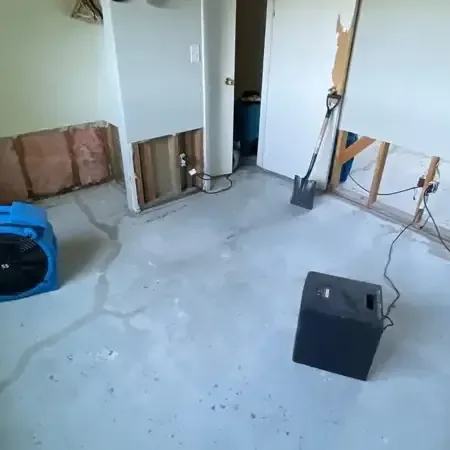
Water risks shaped by climate and terrain
Ventura averages 16.06 inches of rain a year, with the wettest months in winter, and the city spans a river valley, foothills and a flat coastal plain. That mix shapes how water finds its way inside.
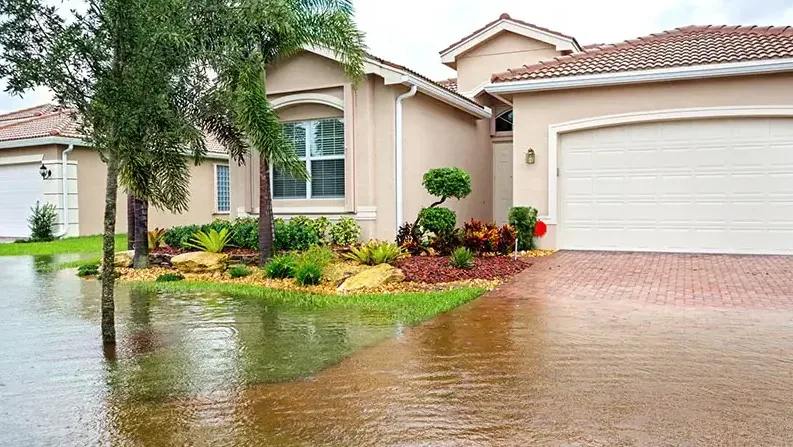
Winter rain after dry months
February averages 3.81 inches and January 3.59, while June through September bring less than a tenth of an inch a month, so a roof or ceiling leak can stay unnoticed until storms return.
River valley and barrancas
The west side follows a narrow river valley with steep slopes on both sides, and several barrancas run from the foothills toward the Santa Clara River, giving heavy rain clear places to run.
Level ground to the east
Much of the east side is a flat coastal plain, and on level ground storm water tends to spread outward through garages and doorways instead of draining away.
Rentals and two parties
With 44.7 percent of occupied homes rented, a leak can involve both a tenant and a landlord, so early photos and a quick report help each side.
Older downtown buildings
Downtown is defined by buildings from the 1920s oil boom, and in older structures a leak can hide inside walls and floors long before a stain gives it away.
February 1992
The rain-swollen Ventura River overran its banks, washing away 10 to 15 motor homes at an RV park, and beaches near the river mouth were closed.
Water damage services for local homes and shops
Twelve kinds of water and sewage loss, from a slow leak under the floor to a flooded storefront, handled with one extraction-first routine.
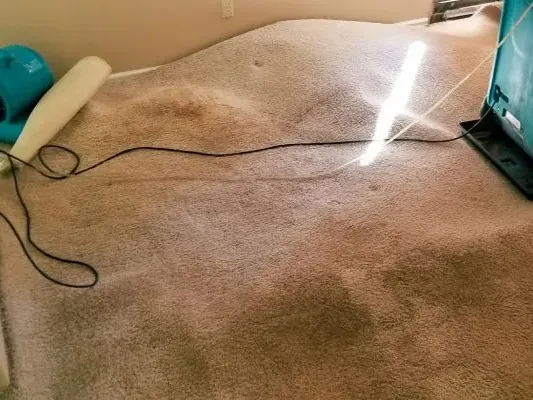
Water Extraction and Removal
Pumps and extraction units pull standing water and soaked padding out first, before drying starts working on what is left in the materials.
Water removal, start to finish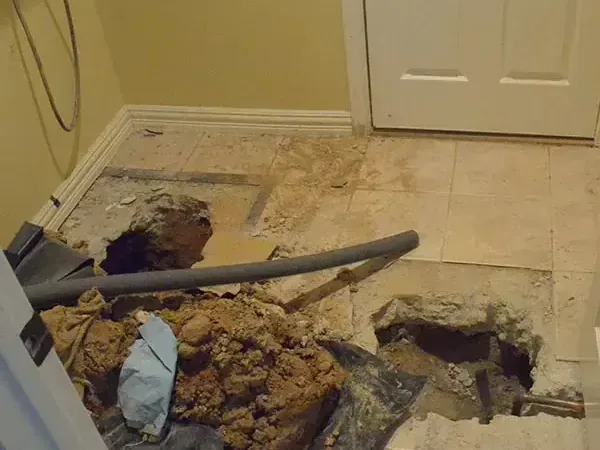
Slab Leak Water Damage
A leak under the floor slab shows up as warm spots, damp flooring or a meter that keeps turning, and the leak path is found before any drying.
Drying out a slab leak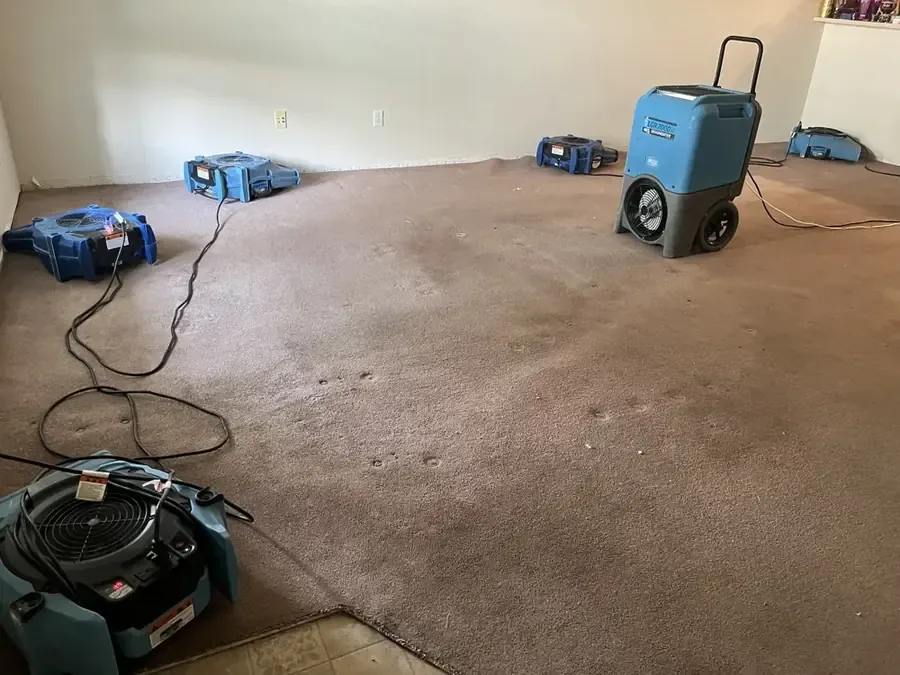
Burst Pipe Water Damage
A split pipe can soak a wall, a ceiling and the room below in a short time, so shutoff and extraction come first.
After a supply line splits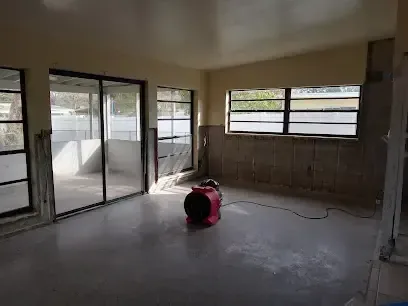
Storm and Flood Water Cleanup
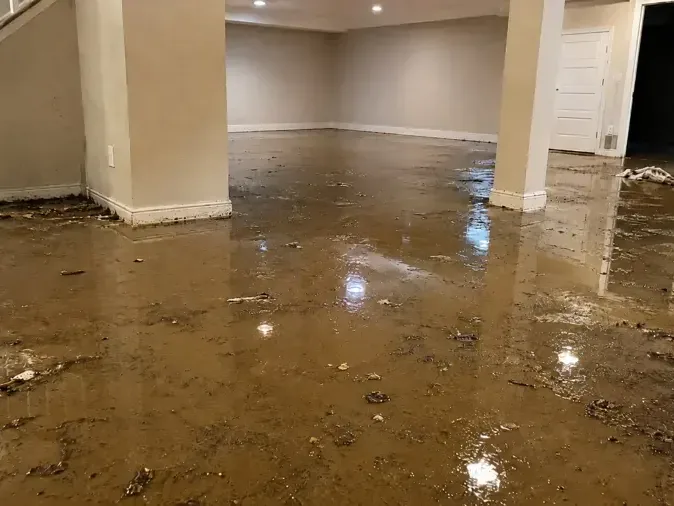
Rain-driven water through doors, garages and low openings brings silt and debris along, so the cleanup is heavier than a plumbing leak.
Storm runoff cleanup steps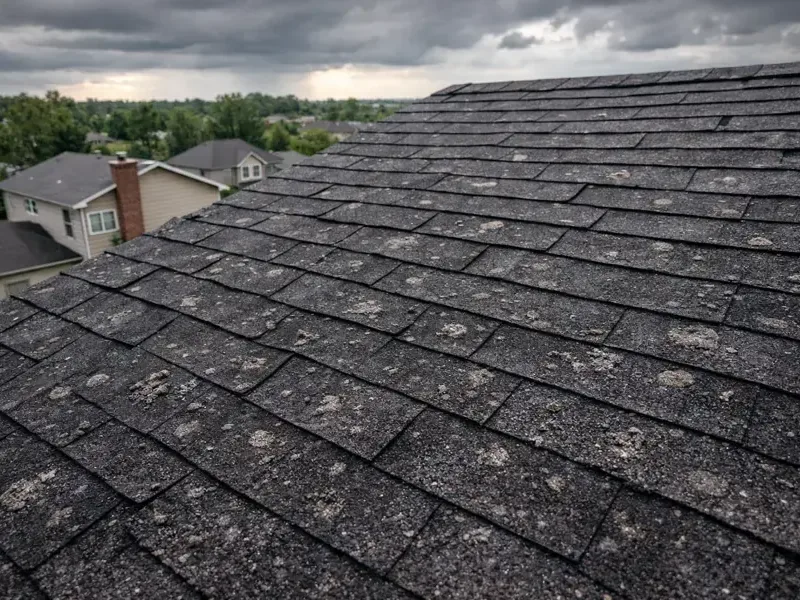
Roof Leak Water Damage
A leak that sits unseen through the dry months can show up as stains and soft drywall once winter rain returns.
Attic and roof leak drying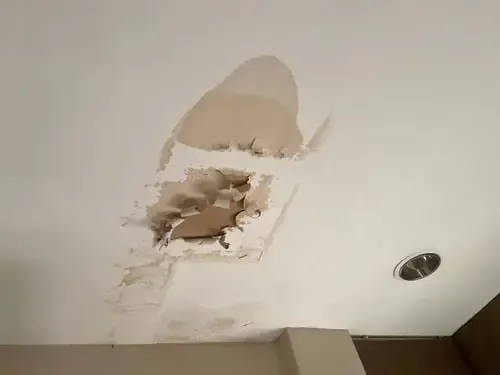
Ceiling Leak Water Damage
Sagging, stained or bubbling ceiling drywall is opened, dried and checked for wet insulation above it.
Opening a wet ceiling safely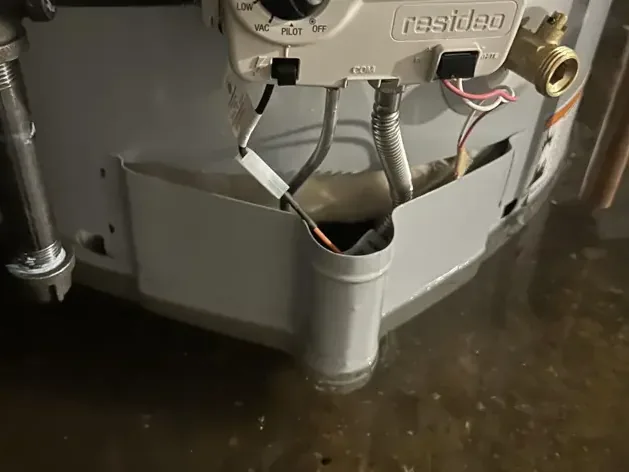
Water Heater Leak Cleanup
A failed tank can empty across a garage or closet floor in one go, and the water often creeps into the next room.
When the garage tank lets go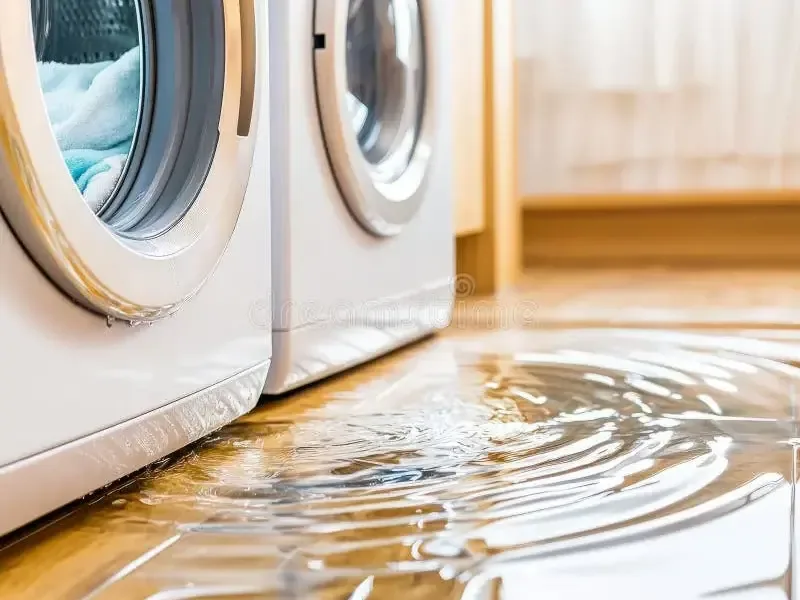
Appliance and Supply Line Leaks
Washer hoses, dishwasher supplies and refrigerator hoses leak behind cabinets, where damage grows out of sight.
Hose and supply line leaks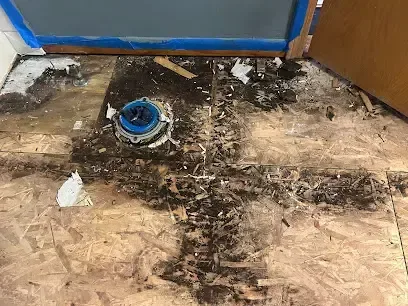
Sewage Backup Cleanup
Backed-up drains put contaminated water on floors and call for protective gear, careful removal and disinfecting of what it touched.
Category 3 backup cleanup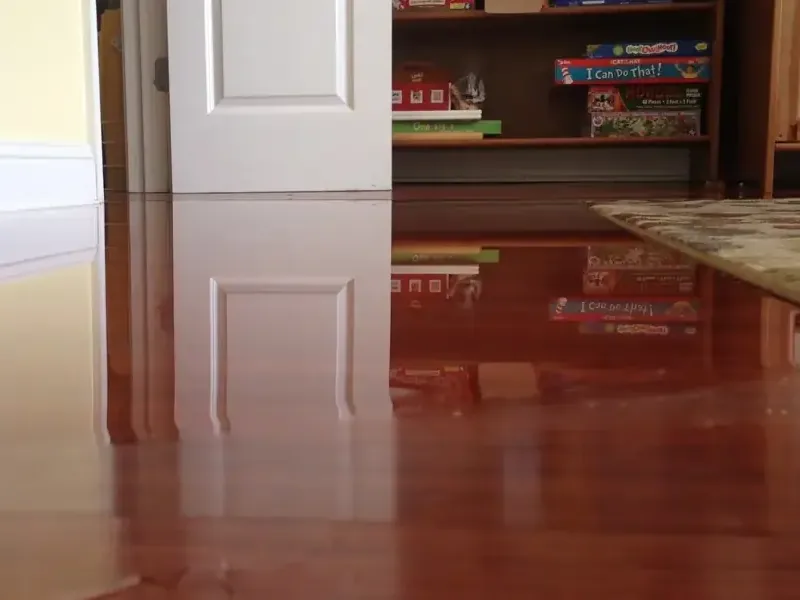
Hardwood and Laminate Floor Drying
Wet wood and laminate cup and buckle quickly, so floors are dried in place where possible and lifted only when they must be.
Saving cupped wood floors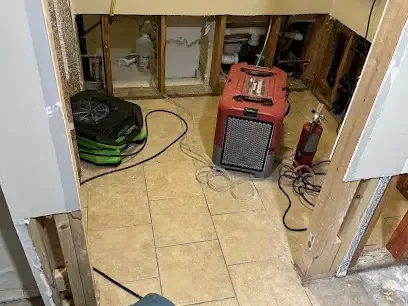
Structural Drying and Dehumidification
Once the pooled water is gone, moisture still sits in framing, subfloors and drywall, and dehumidifiers pull it out.
How dry gets measured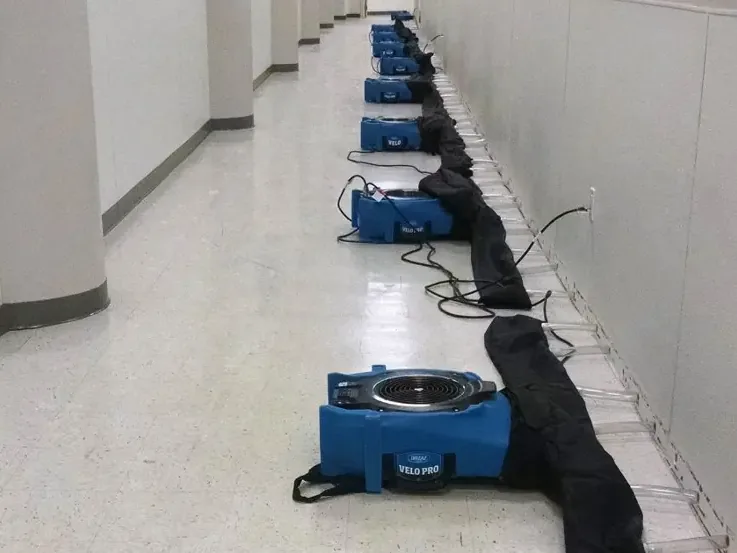
Commercial Water Damage
Shops, offices and restaurants lose business while wet, so the work is staged to keep as much of the building open as possible.
Phased drying for businessesSteps to take while the water is still spreading
- 1
Stop the source
Close the shutoff for a burst pipe, tank or appliance. If water is dripping through a ceiling, stay out from under it and keep people away.
- 2
Cut power near water
Switch off breakers for wet rooms when the panel is dry and easy to reach, and stay away from outlets and cords sitting in water.
- 3
Photograph everything
Take wide shots and close-ups of wet floors, walls and belongings before anything moves, because the insurer will ask for them.
- 4
Lift what you can
Raise small furniture, rugs and electronics onto dry ground or a counter, and leave heavy pieces and soaked carpet for the crew to handle.
- 5
Call and describe it
Call now, any hour, and say where the water started, which rooms are wet and how long it has been standing.
Dispatch reach from the hills to the harbor
Crews work the narrow river valley on the west side, the foothill streets to the north and the flat coastal plain that runs east toward Saticoy.
That covers Downtown, Midtown, the Westside and Montalvo, along Route 101, State Route 33 and Main Street, wherever water has gotten in.
(888) 578-6508Call about water anywhere in the cityDrying to a measured standard, room by room
The restoration team classifies the water first, then sets drying goals and measures against them until every wet material returns to its normal reading.
Classify the water
The crew traces the source and sorts the water into Category 1, 2 or 3, which decides what can be dried and what must come out.
Extract and open up
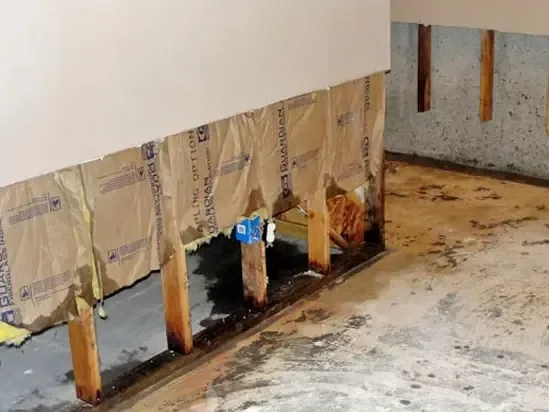
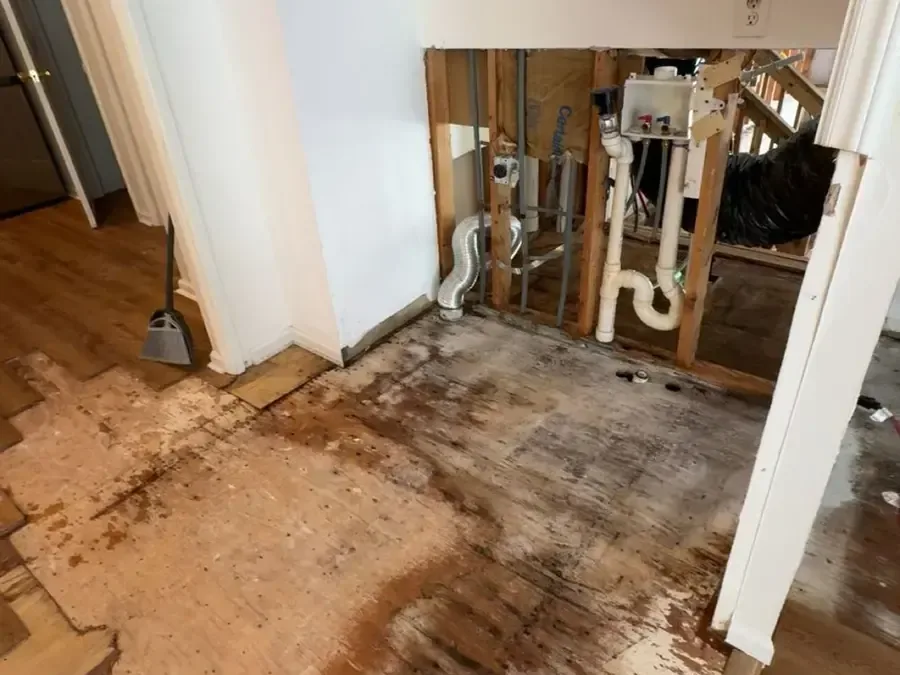
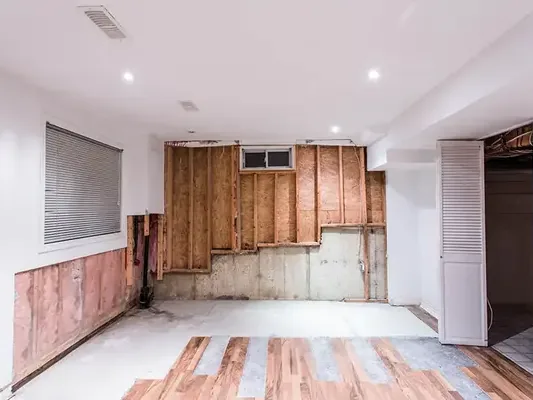
Standing water goes first, then wet baseboards, padding or drywall are removed where drying alone cannot reach the moisture.
Dry with equipment
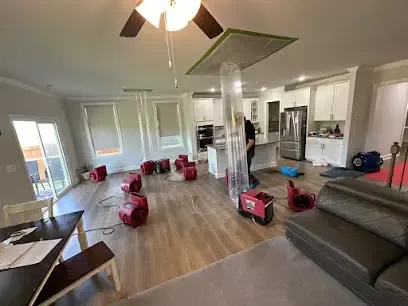
Air movers and dehumidifiers run in closed, monitored rooms while the crew logs readings at every visit.
Confirm and close out
Drying ends only when meters show the wet materials back at normal levels, and the final readings go in the file.
Where the crew works across Ventura
Roads and neighborhoods
Nearby towns
Typical stages of a water damage job
A drying plan that follows the moisture, not the clock
Extraction first
Pumps and wet vacuums remove standing water before any drying equipment goes in, which shortens the drying that follows.
Readings, not guesses
Meters check drywall, wood and subfloor, so the crew knows when a surface is truly dry and not just dry to the touch.
Equipment sized to rooms
Air movers and dehumidifiers are matched to the wet rooms, then checked and adjusted each visit until the readings settle.
Records for the claim
Photos, readings and a written scope are kept so the insurer can see what was wet, what came out and why.
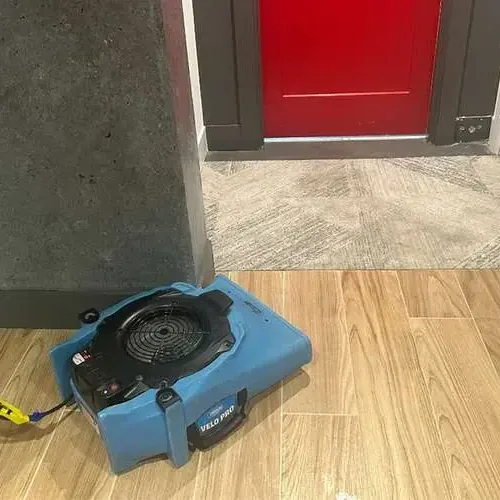
Water keeps moving into walls and under floors after the surface looks dry, so the work follows meter readings instead of appearances.
Water problems that start inside the house
What water damage cleanup typically costs
Most jobs fall between $1,200 and $25,000 or more, and the spread comes from how much water spilled, how many rooms it reached and how long the materials stayed wet.
One room, clean water
- Water extraction and drying
- Moisture mapping with meters
- Photos and readings for the insurer
Several rooms or opened walls
- Wet drywall cut out
- Longer equipment run
- Daily readings
Whole floor, Category 3 or structural loss
- Sewage or storm water
- Flooring lifted
- Structural drying
These ranges describe typical work, not a quote. The crew confirms scope after checking moisture readings in every wet room, and photos show what was found.
Documenting the loss for a claim
Insurers want proof of what was wet and what was removed, so the crew keeps those records from the first day.
- Dated photos of every wet room
- Moisture readings from each visit
- A written scope of removed materials
- Equipment list with days of use
- Notes on the source and start of the leak
What you can do yourself
Start a folder with the date the water appeared, photos taken before cleanup, receipts for anything bought and the name of each person reached at the insurer.
Keep damaged items until the adjuster has seen them, unless they are contaminated or unsafe to store.
Water damage questions
How quickly does water damage spread?
Moisture moves into drywall, insulation and subfloors within hours, and mold becomes a risk once materials stay wet for 24 to 48 hours, so extraction should start as early as possible.
Who pays when a rental leaks?
That depends on the lease, the cause and the insurance on each side. The first step is the same for both: report the leak, photograph the damage and let the crew start extraction.
What happens during the first visit?
The crew finds and stops the source if possible, checks moisture with meters, extracts standing water and sets drying equipment, then explains which materials must come out and why.
Can wet carpet or flooring be saved?
Often yes when the water is clean and caught early. Padding rarely survives, and anything touched by sewage is usually removed. Details are under hardwood and laminate drying.
Does the work include sewage backups?
Yes. Sewage is handled as contaminated water, with protective gear, removal of porous materials and disinfecting of what remains, as described under sewage backup cleanup.
How is the final price set?
Pricing follows the amount of water, the rooms and materials involved and the equipment days needed. The printed ranges give a starting point, and scope is confirmed after readings are taken in every wet room.
What if storm water came in?
Storm water counts as Category 3 because it carries silt and debris, so porous materials are removed and surfaces are cleaned and sanitized. Storm and flood water cleanup covers the process.
Will insurance cover the cleanup?
Coverage depends on the policy and the cause. A sudden event such as a burst pipe is often covered while long-term seepage often is not, so ask the insurer early and keep the records.
How is drying confirmed as finished?
Meters compare wet materials with readings from a dry reference area, and drying ends when they match. Equipment stays until the numbers say so, not for a fixed number of days.
Does the service cover shops and offices?
Yes. Restaurants, retail space and offices need staged work to limit downtime, and the details are under commercial water damage.
Wet materials keep absorbing, so the drying should not wait
Call now, any hour, and the response team will walk through the source and the wet rooms.
(888) 578-6508Start the drying plan in Ventura